

Trauma First Aid After a Mass Shooting
Information and support for people impacted by the Bondi Beach shooting and any mass violence & casualty event.
The mass shooting that occurred at Bondi Beach on 14 December 2025 has affected many people in different ways.
This includes those who were present, witnessed events, were nearby, or have been impacted through family, friends, work, or community connection.
Witnessing violence can have a real impact on both mind and body.
This page offers general information and support, based on current trauma best practice. It is not therapy or medical advice, and it may not reflect every experience.
There is no right or wrong way to respond.
If you feel unsafe, overwhelmed, or at risk of harm, please seek immediate support.
Call 000 in an emergency.
Contact Lifeline 13 11 14, available 24 hours.
Attend your nearest emergency department if needed.

Free Resource: Trauma First Aid after a Mass Shooting
In response to the recent shooting in Sydney, we have created this free Trauma First Aid guide for people who have been impacted. This resource offers clear, evidence-informed information and practical support for the first days and weeks after mass violence. It is designed to help people understand common trauma responses, reduce overwhelm, and find appropriate support pathways. It is not therapy or medical advice, but a public education resource intended to be used in whatever way feels most helpful.
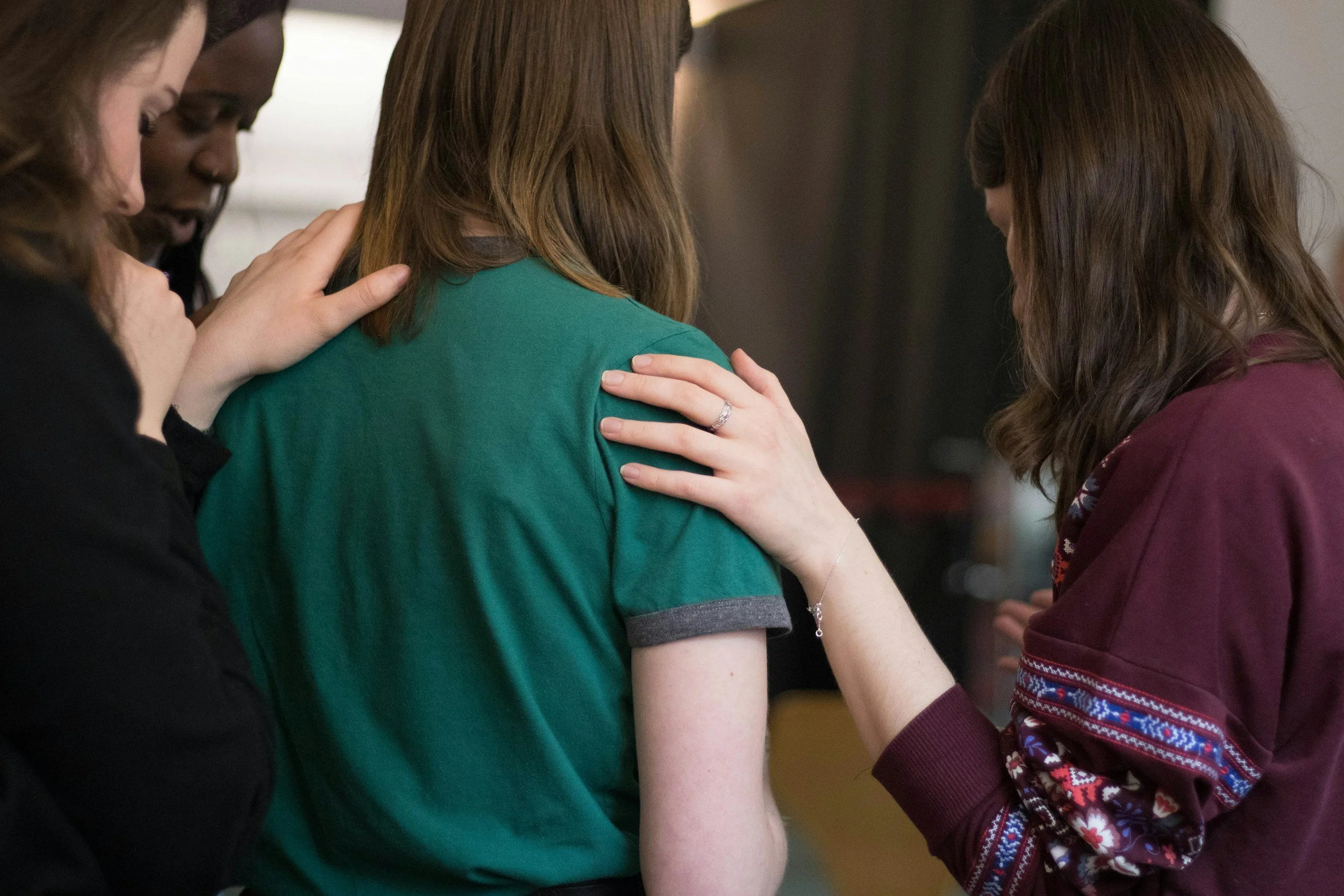
Common reactions after witnessing violence
After an event like this, many people notice changes in how they feel, think, or function. These reactions are common responses to threat and shock.
You might notice:
feeling numb, unreal, or detached
fear, sadness, anger, or guilt
being on edge or easily startled
disrupted sleep or vivid dreams
nausea, headaches, shaking, or exhaustion
difficulty concentrating or making decisions
avoiding reminders of what happened
Some people feel intensely affected. Others feel very little. Both are valid responses.
What can help in the first few days
In the early days, the focus is on safety, steadiness, and basic care. You do not need to process or make sense of what happened yet.
Many people find it helpful to:
prioritise sleep, food, hydration, and warmth
spend time with people who feel calm and supportive
reduce demands and keep routines simple
limit news and social media exposure, especially repeated footage
take breaks from conversations that feel overwhelming
engage in grounding activities like walking, showering, or sitting quietly
Go gently. Small actions are enough for now.
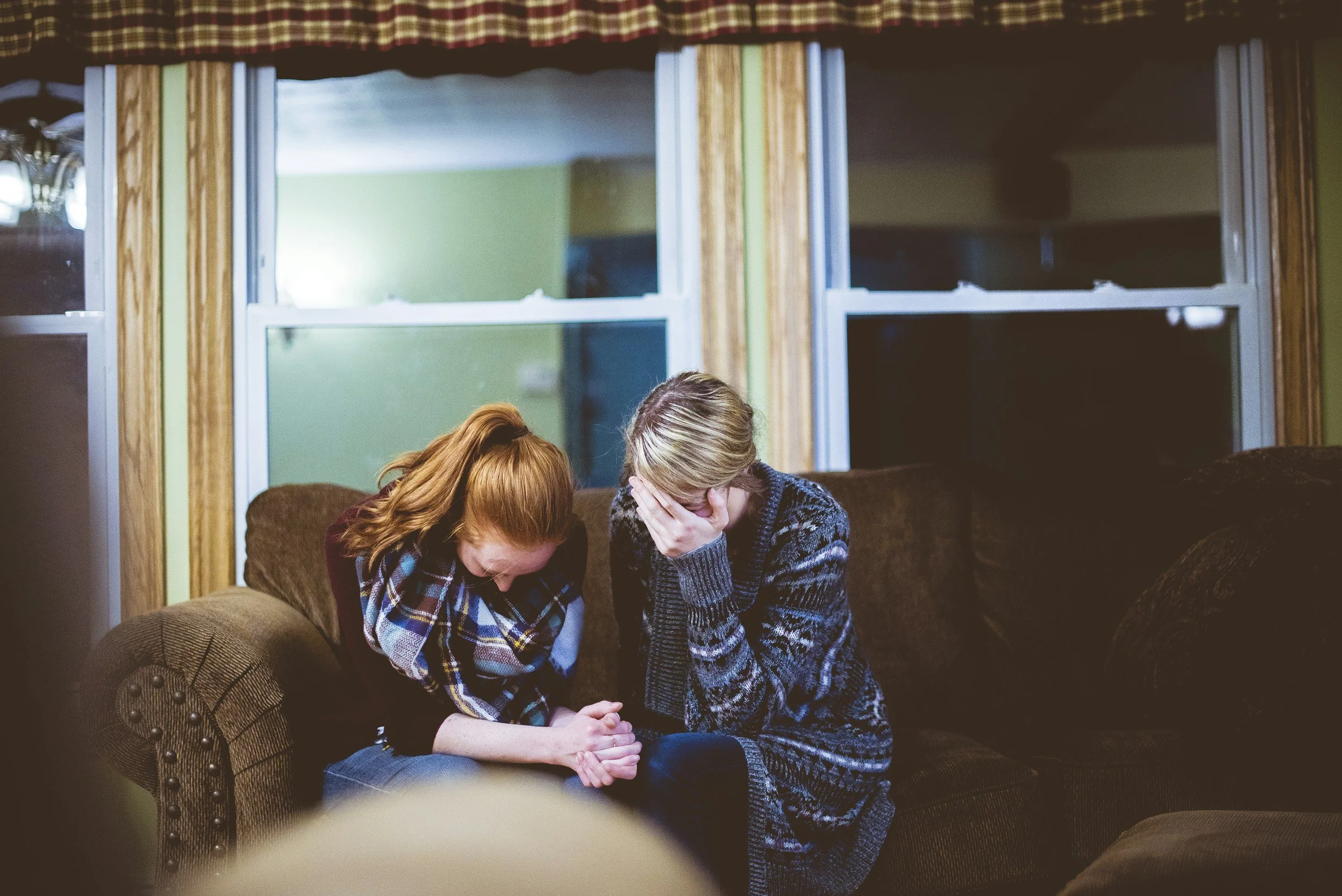
What you do not need to do
There is a lot of pressure after traumatic events to respond in certain ways. It is important to know that:
you do not need to talk about the event unless you want to
you do not need to remember or recount details
you do not need to stay composed or positive
you do not need to compare your experience to others
For some people, being pushed to relive or analyse events too soon can increase distress rather than help.

Supporting children and young people
Children and teenagers often show stress differently from adults.
You might notice changes such as:
increased clinginess or separation anxiety
sleep disruption or nightmares
irritability, withdrawal, or behavioural changes
new fears or questions about safety
Helpful responses often include:
calm reassurance and a steady adult presence
simple, honest explanations suited to their age
maintaining routines where possible
letting them talk if they choose, without pressure
If concerns persist or escalate, professional support can be helpful.
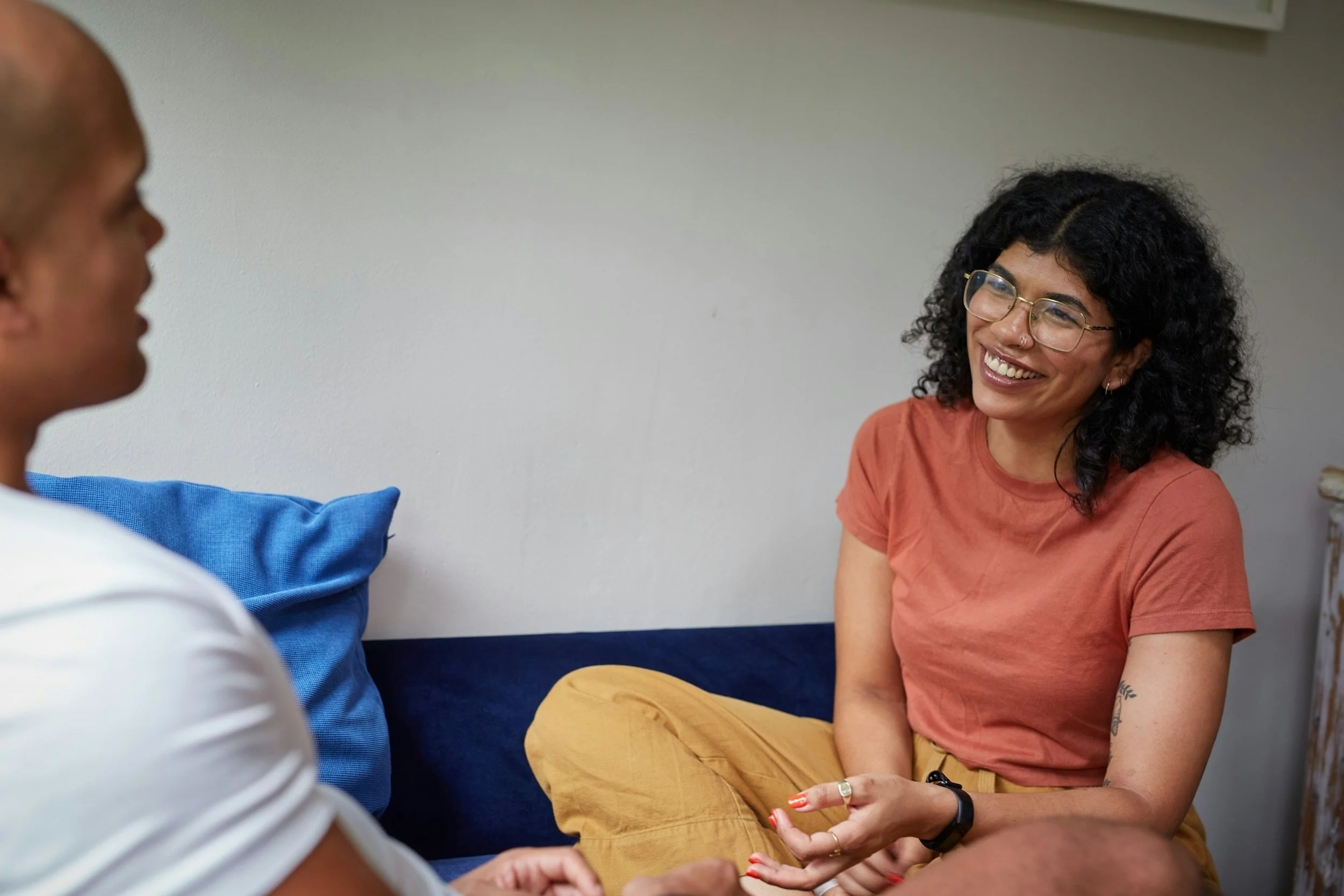
When extra support may be helpful
It may be time to seek professional support if:
distress feels intense or continues to worsen
sleep is severely disrupted for several nights
you feel unsafe in yourself or disconnected from reality
everyday functioning becomes very difficult
previous trauma has been strongly reactivated
you witnessed serious injury or death
Effective trauma support is available, and early care can reduce longer-term impact.
A note from Progressive Therapeutic Collective
This page is offered as a community resource in response to a devastating event. It provides general information and support only. It does not replace therapy, medical care, or emergency services.
If you need individual support, reaching out to a qualified professional or trusted service is encouraged.
Our thoughts and care is with everyone impacted.